Compare Local Contractors for Entryway Steps Installation
Compare local contractors for entryway steps installation to define project scope, verify experience, and set clear expectations before hiring.
Entryway steps installation typically involves adding or replacing steps leading into a building or home, often including materials like concrete, stone, brick, or wood. This work encompasses tasks such as measuring the space, designing the step layout, preparing the foundation, and constructing the steps to ensure stability and durability. Proper installation not only improves curb appeal but also enhances safety by providing a stable, level surface for entry. When planning this type of project, understanding the scope-such as the number of steps needed, the materials used, and any additional features like handrails or decorative elements-is essential for aligning expectations and ensuring the finished work meets the property owner’s needs.
Defining the scope of entryway steps installation matters because it helps prevent misunderstandings and ensures that both property owners and contractors are clear about what will be included in the project. A detailed scope outlines specific tasks, materials, and design preferences, which can serve as a reference throughout the work process. This clarity helps property owners verify that potential service providers have the experience and resources necessary to execute the project as envisioned. Additionally, having a well-defined scope in writing can reduce the risk of unexpected costs or changes, providing a foundation for transparent communication and successful project completion.
Comparing local contractors for entryway steps installation involves evaluating their experience, reputation, and ability to handle the specific scope of work. Property owners can benefit from reviewing portfolios or examples of similar projects, asking for references, and verifying the types of materials and techniques each contractor uses. It’s also helpful to consider how contractors communicate their process and whether they provide clear, written descriptions of the scope, materials, and responsibilities. By gathering multiple proposals and clarifying the scope in each, property owners can make informed decisions that align with their project needs and expectations, ensuring they choose service providers capable of delivering quality results.
Compare local contractors by outlining project priorities, verifying experience, and clarifying scope and expectations in writing.
- Compare Contractor Credentials - Verify experience and qualifications to ensure reliable entryway step installation services.
- Define Scope Clearly - Outline project details and expectations in writing to prevent misunderstandings.
- Request Written Estimates - Obtain detailed, written descriptions of work to compare services accurately.
- Assess Local Contractors - Choose experienced service providers in your area with a proven track record.

Clearly describe your entryway steps project to help compare contractors, define scope, verify experience, and set expectations in writing.
- Verify the experience of local contractors with entryway step installation projects to ensure familiarity with the scope of work. - Review previous work examples or references to assess quality and craftsmanship.
- Define the scope of work clearly in writing, including materials, design, and specific responsibilities of the service providers. - Ensure all project details are documented to prevent misunderstandings during installation.
- Compare multiple local contractors to evaluate their expertise, reputation, and the services they offer for entryway steps. - Consider checking reviews or ratings from previous clients to gauge reliability.
- Ask service providers about their process for handling permits, inspections, or code compliance related to entryway steps. - Confirm that contractors understand local building requirements and procedures.
- Ensure that the scope of work, project expectations, and payment terms are outlined and agreed upon in writing before starting. - Use a detailed contract to set clear expectations and protect the project’s integrity.
- Discuss material options, durability, and maintenance considerations with local contractors to choose the best fit for the entryway. - Clarify material choices to match aesthetic preferences and functional needs.
Compare local contractors, clarify project scope, verify experience, and document expectations to ensure a successful entryway steps installation.


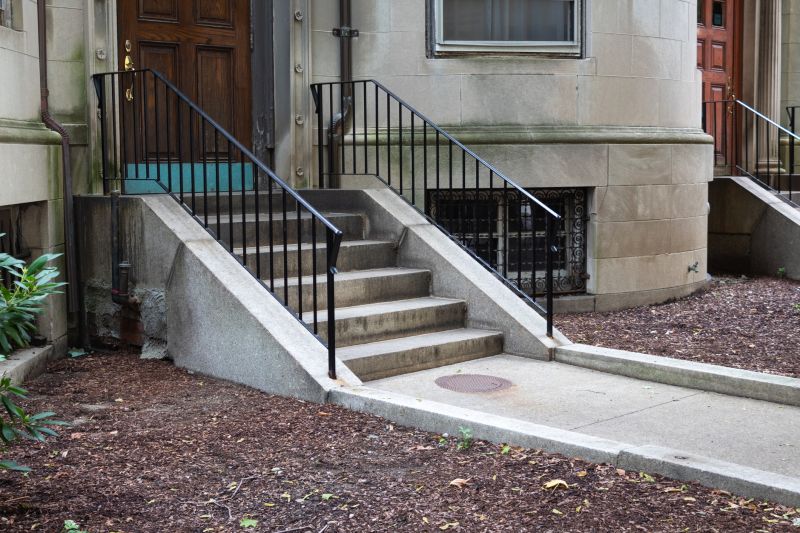

Learn how to compare local contractors, define project scope, verify experience, and set clear expectations in writing.
- Scope Definition - Clearly outline the specific tasks involved in the entryway steps installation to ensure mutual understanding.
- Material Selection - Specify the types of materials to be used for the steps, including any preferences or requirements.
- Experience Verification - Confirm that local contractors have relevant experience with entryway steps installation projects.
- Scope Documentation - Obtain a written description of the work scope to prevent misunderstandings and scope creep.
- Project Expectations - Establish and document expectations regarding the quality, finish, and safety standards for the installation.
When comparing contractors for entryway steps installation, it is important to consider their experience with similar projects. Homeowners should inquire about the types of steps they have previously installed, including materials used and design styles. A contractor with a history of completing comparable work is more likely to understand the specific challenges and requirements of the project. This background can help ensure the selected service provider has the practical knowledge needed to meet expectations effectively.
A clear, written scope of work is essential for setting accurate expectations and avoiding misunderstandings. Homeowners should seek detailed descriptions of what the installation will include, such as measurements, materials, and any preparatory work. Having this information documented provides clarity and a basis for evaluating whether the contractor’s approach aligns with the homeowner’s vision. It also helps in establishing a shared understanding before any work begins.
Verification of a contractor’s experience can be supported by requesting references or examples of completed projects similar in scope. Homeowners should ask for contact information of past clients or review portfolios that demonstrate the contractor’s capabilities. Confirming that the contractor has successfully handled projects with comparable complexity and materials can provide confidence in their ability to deliver quality results and manage the job efficiently.
When evaluating options, it is useful to compare how each contractor plans to approach the project and how they communicate details in writing. Pay attention to the thoroughness of their scope descriptions, the clarity of their explanations, and their responsiveness to questions. This process helps identify service providers who are organized, detail-oriented, and transparent about their methods. Choosing a contractor with a well-defined plan and clear communication can contribute to a smoother installation process and a final result that aligns with expectations.
Ask contractors to provide written scope details to ensure clear expectations and consistent project understanding.
- Experience and Credentials - How can you verify the experience and background of local contractors specializing in entryway steps installation?
- Scope of Work - What details should be clarified to ensure both parties agree on the scope and materials involved?
- Comparison Criteria - What factors should be considered when comparing different local service providers for this project?
- Design and Materials - How can you communicate your design preferences and material choices clearly in writing?
- Warranty and Follow-up - What should be included in the scope to address warranty coverage and post-installation support?
What should I consider when choosing contractors for entryway steps installation? It's important to compare local contractors based on their experience, reputation, and the scope of services they offer. Verifying their previous work and ensuring clear communication can help set proper expectations.
How can I define the scope of my entryway steps project? Clearly outline the desired materials, design preferences, and any specific requirements to provide contractors with a comprehensive understanding of the work needed.
What questions should I ask contractors before hiring? Inquire about their experience with similar projects, the types of materials they recommend, and how they handle project planning and communication to ensure alignment.
Why is it important to get written estimates and scope of work? Having detailed, written documentation helps prevent misunderstandings, sets clear expectations, and provides a basis for comparing different service providers.
How can I verify a contractor’s experience with entryway steps installation? Review their portfolio, ask for references or testimonials, and inquire about their past projects to gauge their expertise and reliability.
What should I look for in a contract with a contractor? Ensure the contract specifies the scope of work, materials, project details, payment terms, and any warranties or guarantees to protect your investment.
This page has provided guidance on how to compare contractors for entryway steps installation, including defining the scope of work, verifying experience, and setting clear expectations in writing. By understanding these key points, visitors can approach the selection process with greater confidence and clarity. Using the quote form to connect with local service providers allows for easy comparison of options tailored to specific project needs.
Taking the time to explore local contractors through the provided comparison tools can help identify experienced professionals ready to handle entryway steps installation. Filling out the quote form is a practical step toward gathering information and making informed decisions about which service providers best match the project's requirements.